Nanogreens Buying Guide: What Really Matters Most
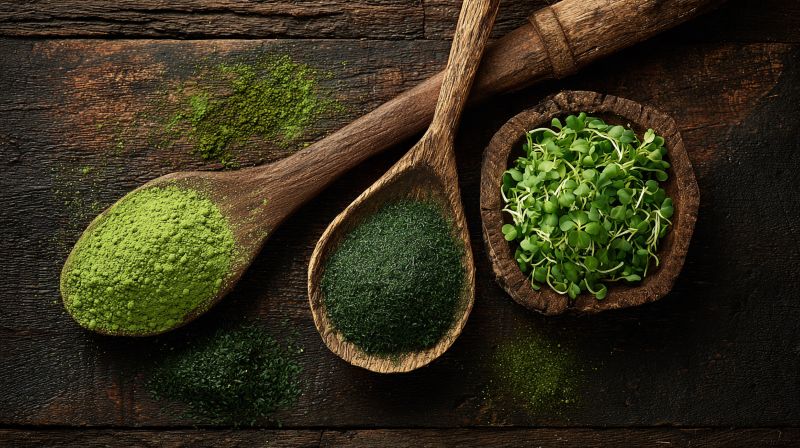
Your morning scoop might look green, but is it truly powerful? With the rapid growth of functional superfood powders, nanogreens have entered the spotlight as a next generation approach to concentrated plant nutrition.
According to the Centers for Disease Control and Prevention, only about one in ten adults consumes enough fruits and vegetables daily. That shortfall has fueled interest in convenient nutritional solutions that support daily micronutrient intake.
Nanogreens products claim enhanced absorption, concentrated phytonutrients, and improved bioavailability compared to traditional greens powders. But not all formulations are equal. Knowing what to evaluate before purchasing can help ensure you choose a product that aligns with your health goals and quality expectations.

Understanding What Nanogreens Actually Are
Nanogreens refer to greens powders that utilize smaller particle sizes or nano processing techniques to potentially enhance nutrient absorption. By reducing plant compounds into finer particles, manufacturers aim to improve how efficiently the body utilizes vitamins, minerals, and antioxidants.
Traditional greens powders already contain dehydrated vegetables, algae, grasses, and botanical extracts. Nanogreens attempt to optimize the delivery system. The premise is that smaller particles may dissolve more effectively and interact more readily with digestive processes.
Nutrition consultant Dr. Alicia Moreno of Vital Path Nutrition explains, “Nano processing is designed to improve dispersion and absorption, but quality still depends on the raw ingredients and how the formula is balanced.”
Understanding this foundation helps consumers focus on both technology and ingredient sourcing rather than marketing claims alone.
With the basics clarified, the next step is evaluating ingredient quality and formulation transparency.
Ingredient Sourcing and Transparency
The strength of any nanogreens supplement begins with the quality of its ingredients. Even advanced processing cannot compensate for poor raw materials.
What to Look For
When reviewing a label, consider:
- Clearly listed ingredient quantities rather than vague proprietary blends
- Organic or responsibly sourced vegetables and botanicals
- Absence of artificial fillers, colors, or unnecessary additives
- Testing for contaminants such as heavy metals
Transparency builds trust. A reputable company should clearly disclose sourcing practices and testing procedures. Vague labeling can signal lower quality or insufficient oversight.
Registered dietitian Marcus Hall of PureLife Advisory says, “Consumers should prioritize clarity over hype. If the company does not disclose ingredient amounts, it becomes difficult to assess real nutritional value.”
Ingredient transparency ensures you are investing in a formula built on substance rather than branding. Once ingredient integrity is confirmed, absorption and formulation strategy become the next major factors.
Bioavailability and Absorption Factors
Nanogreens often emphasize improved absorption, esepcially flavored nanogreens like green apple, but understanding how bioavailability works is essential. Nutrient absorption depends on digestive health, nutrient pairing, and overall diet quality.
Nano processing may help disperse plant compounds more evenly in liquid, potentially aiding uptake. However, supporting ingredients like digestive enzymes, probiotics, or healthy fats can also enhance nutrient utilization.
Key elements that influence bioavailability include:
- Particle size and solubility
- Presence of complementary nutrients
- Individual gut health
- Timing of consumption
Products that combine nano processing with thoughtfully selected cofactors may provide more consistent results.
Evaluating bioavailability claims carefully allows buyers to distinguish between meaningful innovation and surface level marketing. This awareness leads naturally to safety and third party testing considerations.
Safety Standards and Third Party Testing
Because supplements are not regulated in the same way as pharmaceuticals, third party testing plays a critical role in quality assurance. Independent laboratory verification confirms that the product contains what the label states and is free from harmful contaminants.
Look for certifications that verify:
- Purity and potency
- Absence of banned substances
- Accurate labeling
Safety is particularly important for nano processed products, since particle size modifications require additional oversight to ensure stability and safety.
While nanogreens are generally considered safe for healthy adults, individuals with medical conditions or those taking medications should consult healthcare professionals before adding new supplements.
Quality control standards protect both brand reputation and consumer health. From here, it is helpful to explore how taste and usability factor into long term consistency.

Taste, Mixability, and Daily Use
Even the most advanced formulation will fail if it is unpleasant to consume. Taste and texture significantly influence adherence to a supplement routine.
Nanogreens products often claim improved mixability due to finer particle size. This can result in smoother texture and less sediment at the bottom of a glass.
Consumers should consider:
- Flavor profile and sweetness level
- Ease of mixing in water or smoothies
- Serving size and convenience
A supplement that integrates seamlessly into daily habits is more likely to deliver consistent benefits.
Once practicality is addressed, broader industry influences such as biopharma innovation also deserve attention.
The Role of Biopharma Companies in Nutritional Innovation
The top biopharma companies contribute to advancements in nutrient delivery systems, including nano encapsulation and improved absorption technologies. While many nanogreens products are developed by nutrition brands, some rely on research initially explored in pharmaceutical settings.
Nano scale processing techniques have been studied in drug delivery to enhance precision and bioavailability. Adapted responsibly, similar methods can improve supplement performance.
However, pharmaceutical level innovation does not automatically guarantee superior consumer products. Transparency, safety data, and ethical manufacturing practices remain critical.
The intersection between nutritional supplements and biopharma research highlights the importance of science based formulation rather than trend driven marketing.
Understanding this connection allows consumers to appreciate innovation while maintaining realistic expectations.
Price Versus Value
Nanogreens products often command higher prices due to specialized processing and branding. Evaluating cost relative to ingredient quality and testing standards helps determine whether the investment is justified.
Consider:
- Cost per serving rather than total package price
- Ingredient density and nutrient diversity
- Reputation of the manufacturer
A lower priced product with strong transparency may outperform a premium product relying primarily on buzzwords.
Balancing cost with measurable quality ensures that your purchase aligns with both budget and health priorities.
Building a Smarter Supplement Strategy
Choosing nanogreens is not about chasing trends but about making informed decisions grounded in quality, safety, and personal goals. Ingredient sourcing, bioavailability, testing standards, and practical usability all contribute to a supplement’s overall effectiveness.
Nanogreens may offer enhanced absorption through particle size reduction, but true value lies in a holistic formulation supported by transparency and scientific integrity. Biopharma research continues to influence delivery systems, yet consumer awareness remains the most powerful tool in selecting a trustworthy product.
When evaluating your next greens supplement, consider whether the formulation supports your lifestyle, nutritional gaps, and long term health objectives. Are you selecting a product based on evidence and quality, or simply reacting to marketing momentum?


.svg)
.svg)
