High-Protein Diets and Kidney Stones: Lower Your Risk Before Summer Heat Raises It
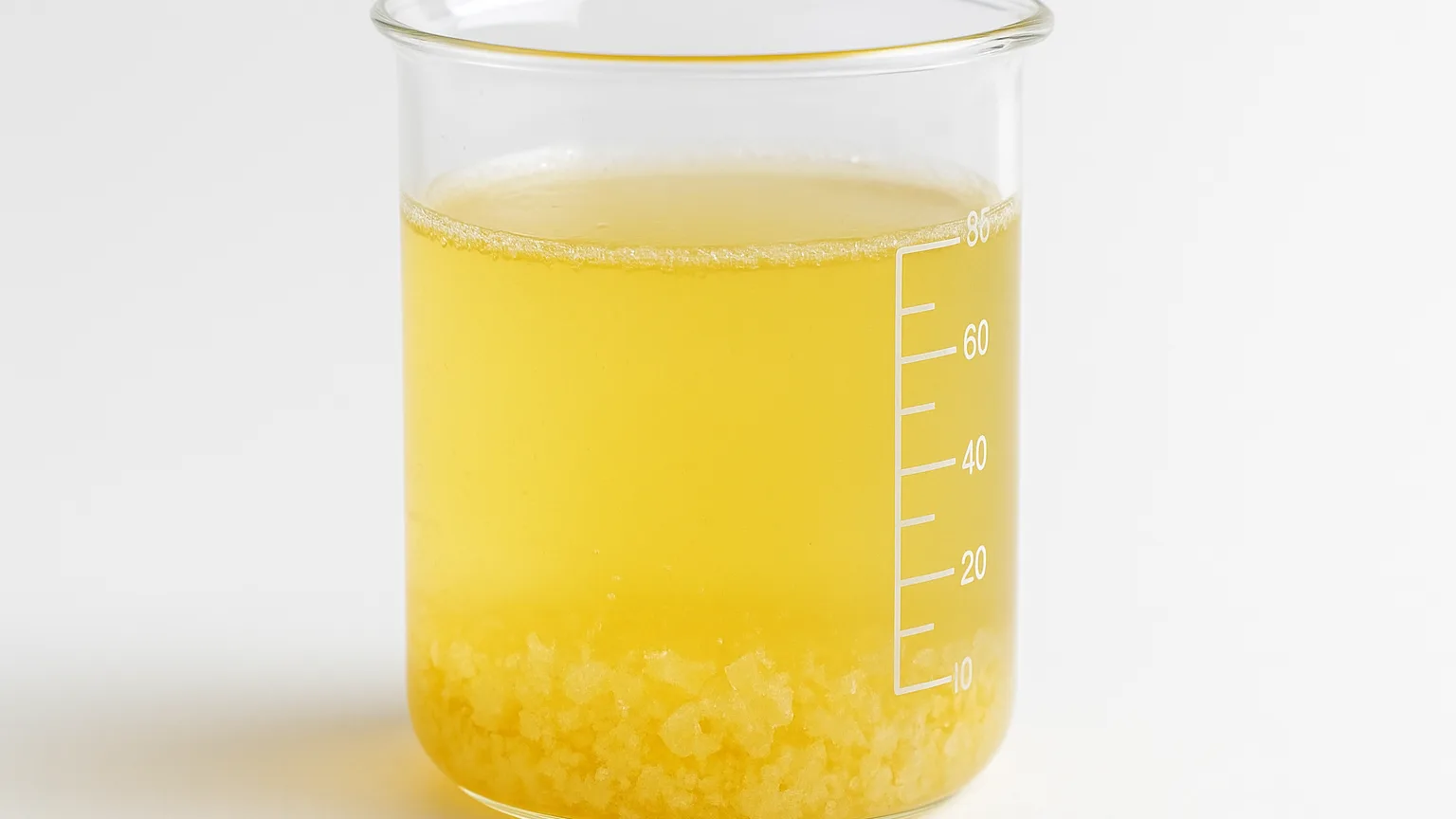
Creatine can make your kidneys look worse on a blood test than they really are, as we covered in our look at creatine and lab results. But filtering is only half the job. What your kidneys flush out matters too, and for people who eat a lot of protein, that waste can slowly harden into kidney stones.
Protein shakes rarely travel alone, either. Pre-workouts, creatine and other powders all pass through the same filter, so knowing what supplements ask of your kidneys makes it easier to see which daily habits quietly feed stone risk.
The practical advice here was shaped by the urology team at Arizona Bladder. They treat urinary problems in one of the hottest regions in the country and see firsthand how quickly heat and low water turn into stone trouble.
A Slow Build, Not a Sudden Event
A kidney stone starts as tiny crystals in urine that is too concentrated. If those crystals stick together and keep getting fed, they grow over weeks or months. Most people only learn about a stone when it moves and blocks the flow, and that pain is hard to forget.
That is why stone visits climb in summer. The heat usually finishes a job your diet and drinking habits started months earlier. The cooler months are the best time to change course, while the crystals are still small or not there at all.
Plenty of trendy eating plans push protein hard. Like many popular diet myths, the claim that more is always better rarely gets checked against what your kidneys have to handle each day.
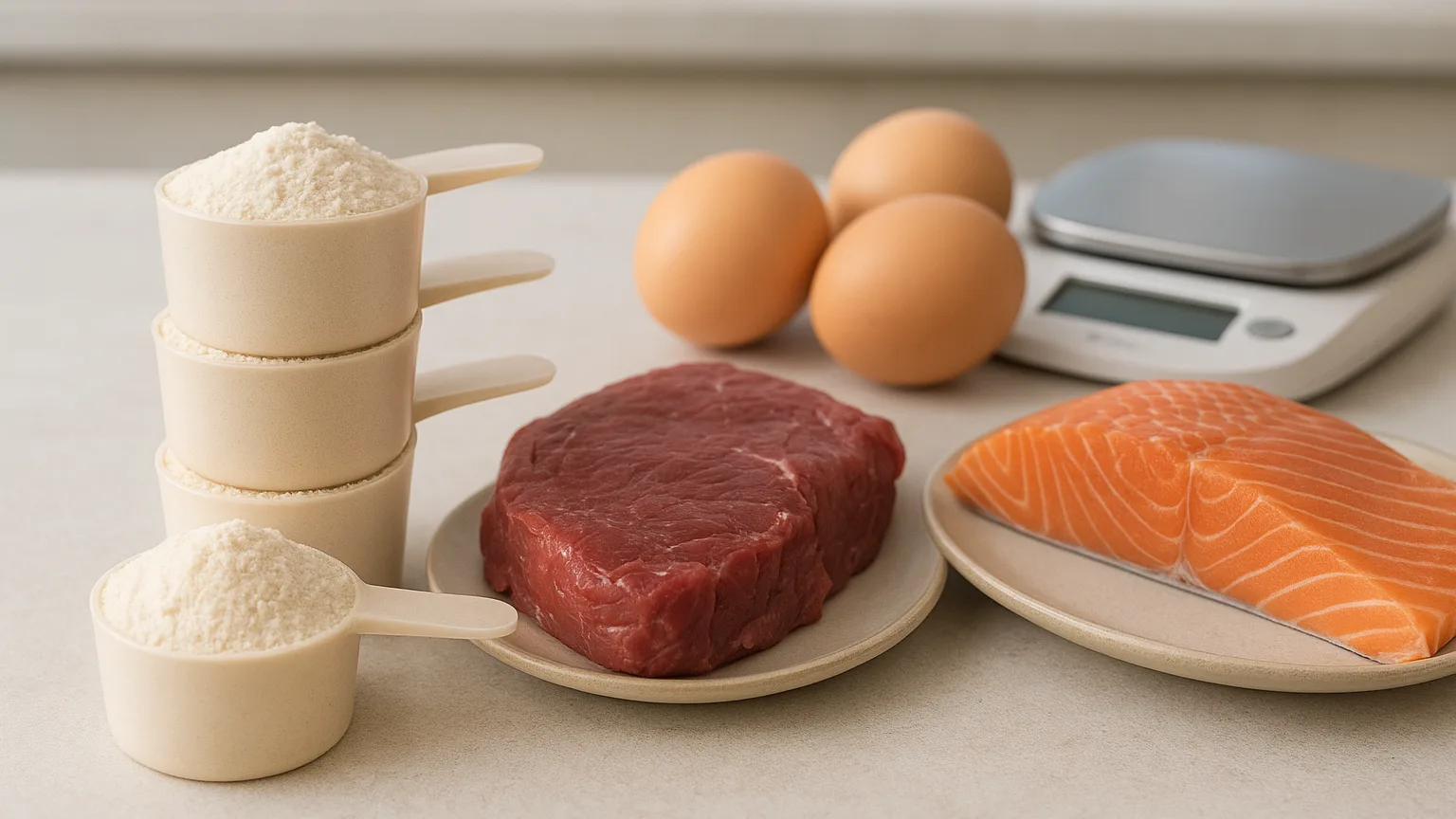
Protein itself is not the villain. The trouble starts when intake is high, mostly from animal sources, and water stays low. That combination shifts your urine chemistry in a way that suits stones.
Three Shifts That Favor Stones
- More calcium in the urine. Large amounts of meat, eggs, and fish add acid to your body. Your kidneys respond by releasing more calcium into the urine, and calcium is the main building block of most stones.
- More uric acid. Animal protein is rich in purines, which break down into uric acid. Too much of it can form uric acid stones or help calcium stones grow.
- Less citrate. Citrate, your natural stone blocker, latches onto calcium and keeps crystals from clumping. A high-acid diet lowers citrate, so you lose some of your built-in defense.
Where Protein Powders Fit In
Shakes make it easy to stack protein on an already meaty diet. Three scoops a day can add 75 grams or more without you feeling full. The extras matter too. Some blends add greens like spinach or beet, which are high in oxalate, another stone builder. Others include large doses of vitamin C, which the body can turn into oxalate. A few are surprisingly salty, and extra sodium pushes more calcium into your urine. Like many so-called diet foods, a powder with a healthy image can hide a messy ingredient list. Read the label like a meal: protein per serving, sodium, added vitamin C, and any greens or superfood blends.
Who Carries the Most Risk
- Anyone who has passed a stone before
- People with a parent or sibling who has had stones
- Those with gout or high uric acid
- Lifters who train hard but drink little
- People who eat a lot of salty, processed food
None of this means you should fear protein. It is one of the key daily nutrients for building muscle and recovering well, whether you lift heavy or simply add push-ups to your workout. The goal is to balance it, not cut it.
The Water Math That Actually Matters
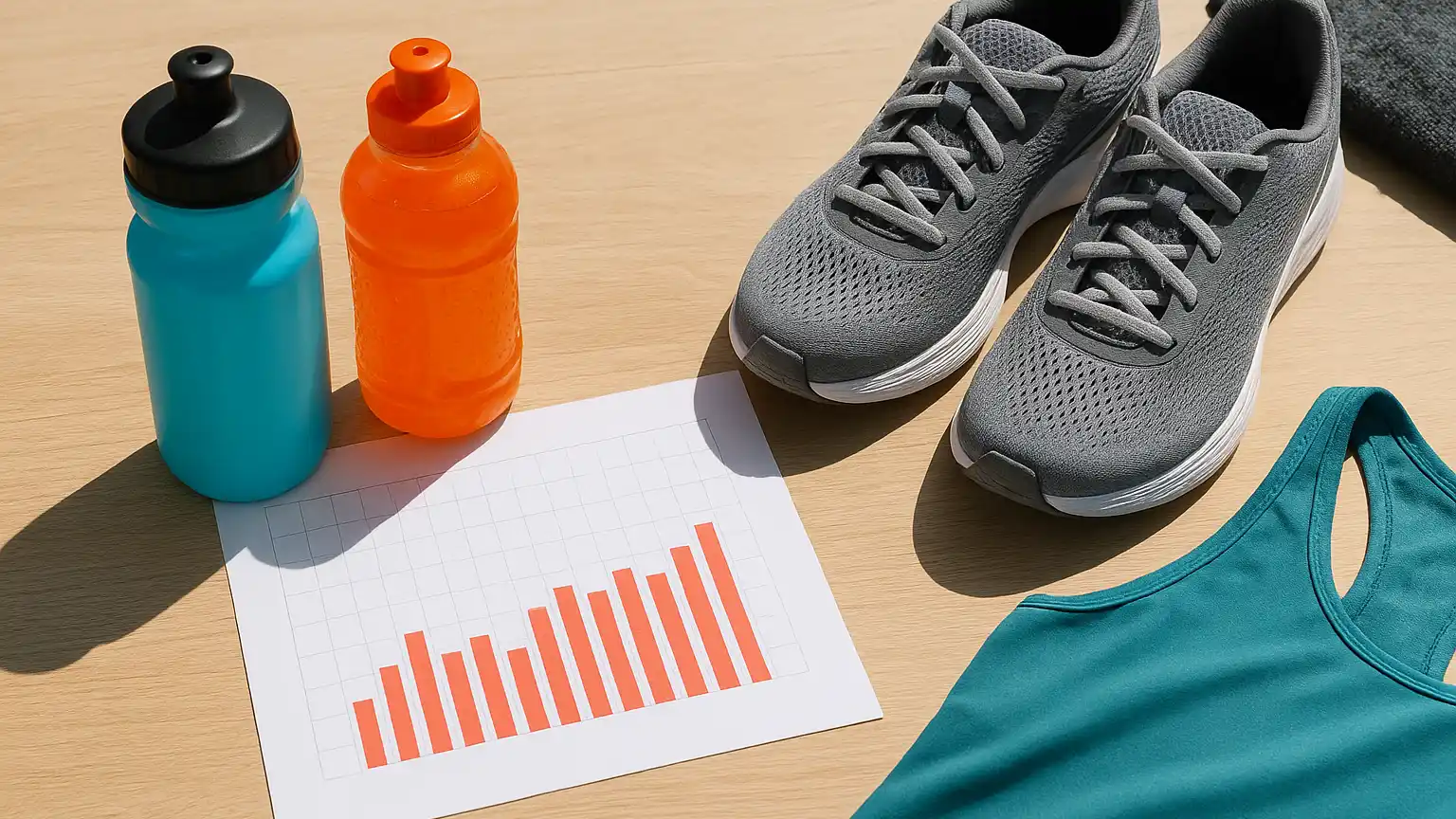
Stone experts focus on urine output, not just how much you drink. A common target for people at risk is about 2.5 liters of urine a day. In hot weather, much of what you drink leaves as sweat, so if you train outside in summer, plan on an extra half liter to a liter for every hour of hard sweating.
The easiest check is color. Pale yellow means you are on track. Dark yellow, or going hours without needing the bathroom, means your urine is concentrated and crystals have a better chance to form.
Smart Swaps for High-Protein Eaters
- Spread protein out. Four moderate servings are easier on your urine than two huge ones.
- Mix in plant protein. Beans, lentils, tofu, and soy create less acid than red meat.
- Keep calcium from food. Dairy or calcium-rich foods eaten with meals bind oxalate in the gut. Cutting calcium can raise your risk.
- Add citrus. Lemon or lime in your water gives you a gentle citrate boost.
- Watch the salt. Less sodium means less calcium dumped into your urine.
- Skip megadose vitamin C unless a doctor has a reason for it.
Fresh produce also helps balance the acid load from a meaty diet, and building meals around fruits and veggies in season keeps it cheap and tasty all year.
Signs That Need a Doctor Soon
Sharp pain in your side or back that comes in waves, pink or brown urine, nausea, or fever with urinary pain all need prompt care. Fever plus a blocked stone can turn serious fast.
Not every urinary symptom points to a stone. Urology teams like Arizona Bladder also see control problems that have nothing to do with crystals, including nerve-related Bladder problems that need a different kind of diagnosis.
Extra water can create its own problem. Many lifters pair it with caffeine-heavy pre-workouts and then wonder why they are sprinting to the bathroom mid-set. Our guide to pre-workout bladder urgency explains why that habit is worth fixing early.
Keep the Protein, Lose the Stones
Kidney stones grow quietly. High animal protein raises calcium and uric acid in your urine while lowering citrate, the substance that keeps crystals apart. Stack that with salty powders, oxalate-rich greens blends, and too little water, and summer heat finishes the job by pulling water out through sweat.
The fix does not require giving up your goals. Drink enough to keep your urine pale, spread protein across the day, mix in plant sources, keep calcium from food, add citrus, and read your supplement labels. Start now, while the weather is cool, and by summer your kidneys will already be ahead of the heat.


.svg)
.svg)