Supplements Through a Kidney's Eyes: What Your Stack Is Doing to Your Urinary System
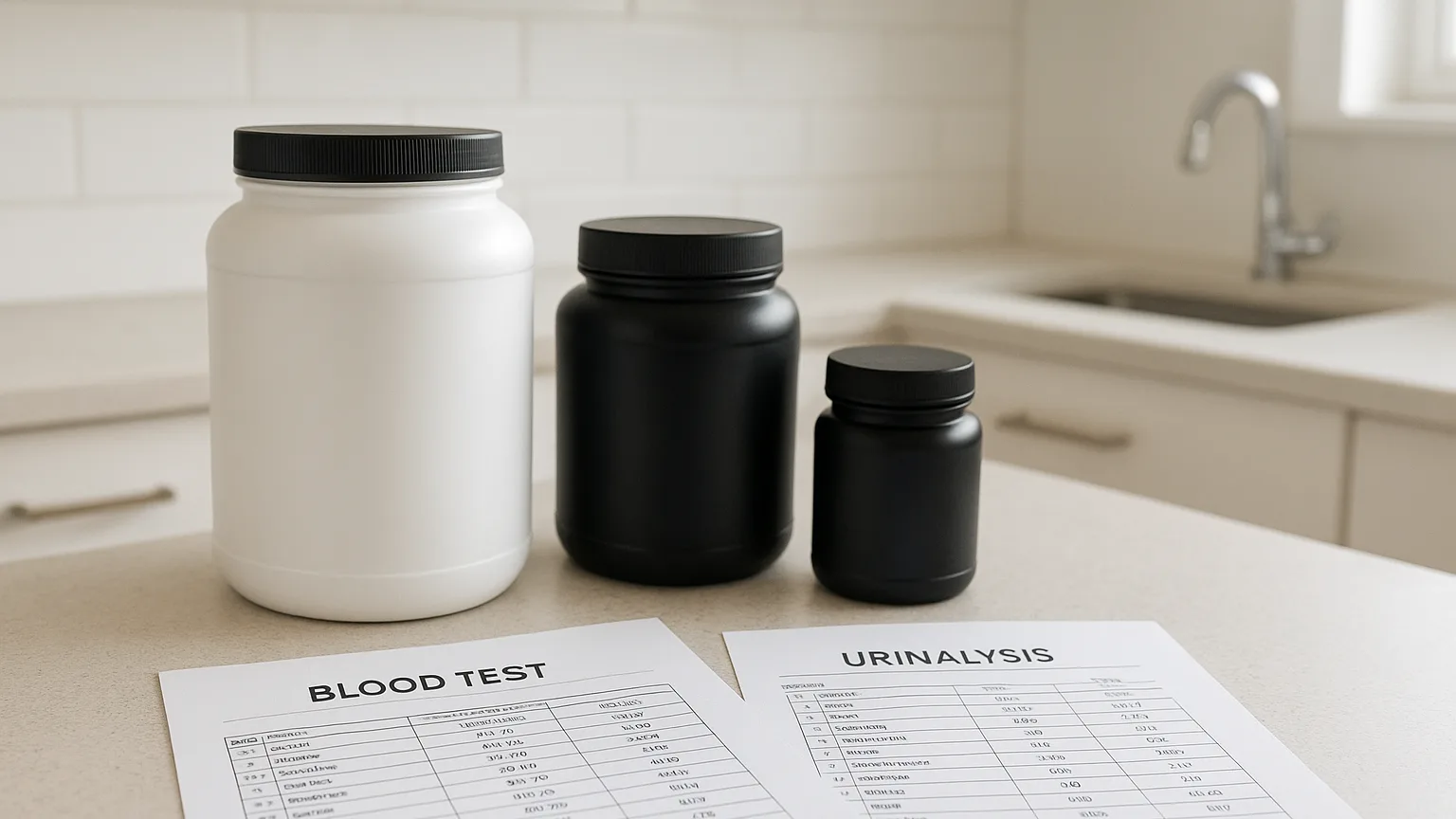
Most supplement reviews ask one question: does it build muscle? This series asks a different one. What happens to your creatine, protein powder and pre-workout after your body is done with them? The answer runs through your kidneys and down to your bladder. Sometimes it shows up on a blood test. Sometimes it shows up as a sudden dash to the bathroom.
Inside this series
- Why creatine can raise creatinine and lower your eGFR estimate even when your kidneys are healthy
- How concentrated urine, heavy protein and hot weather slowly build kidney stones
- Why pre-workout caffeine makes the bladder signal "full" too soon
- How repeated rushing to the bathroom can train urgency into a habit
- Simple dosing, timing and hydration changes that protect each part of the urinary tract
The series is for lifters, runners and anyone with a stack on the kitchen counter. You do not need a science background. Each part follows the same path your urine takes, from the filters at the top to the storage tank at the bottom. Along the way, it shows where a common supplement causes real trouble and where it only causes worry.
The urology team at Arizona Bladder shared practical insight on the whole urinary tract, and their input shaped how the series looks at gym supplements. The aim is to help you tell a harmless side effect from a true warning sign.
A Supplement Map of Your Urinary Tract
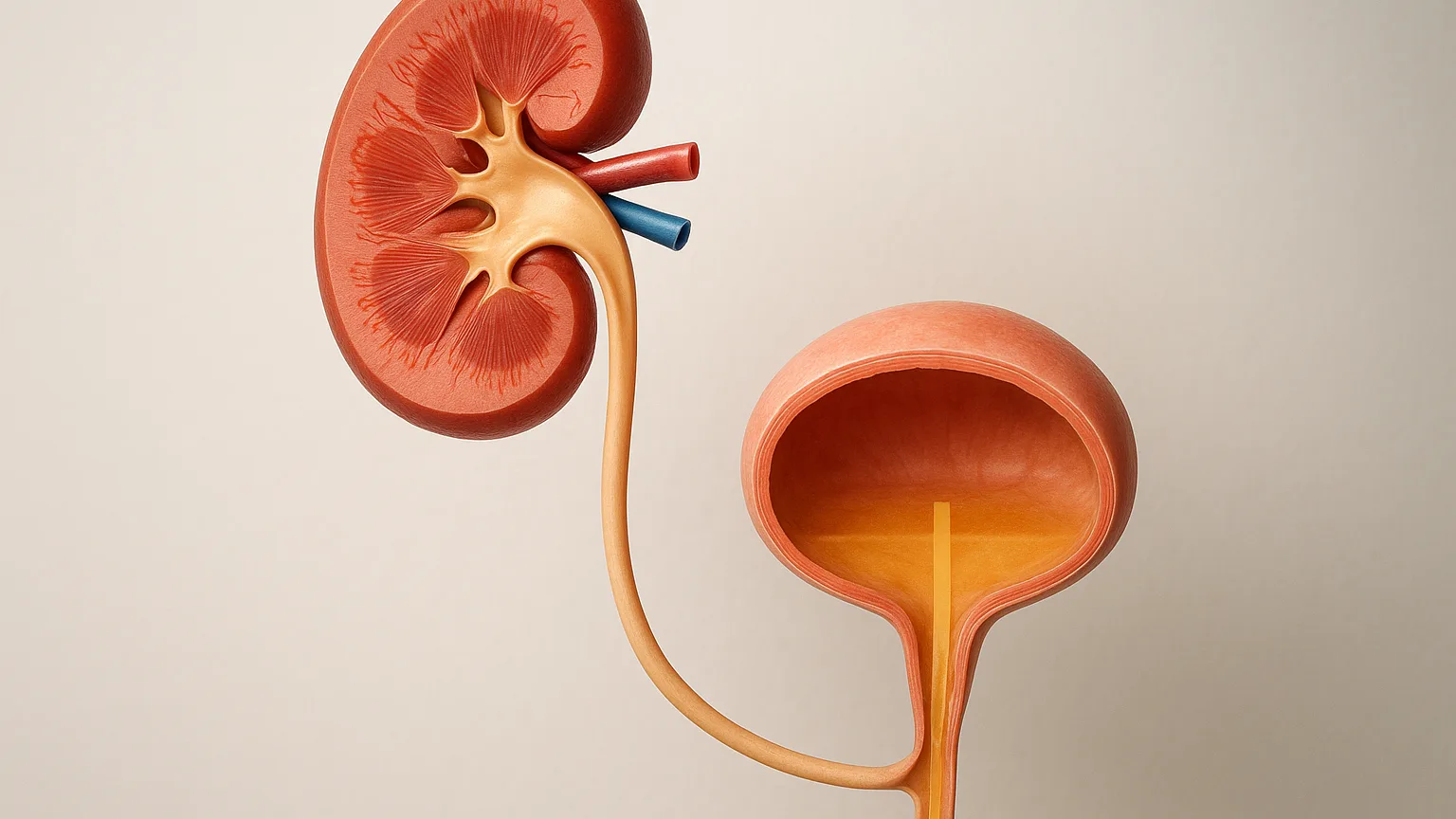
The Filters: When Creatine Makes Labs Look Worse
Creatine and creatinine sound alike, but they are not the same thing. Creatine fuels short, hard efforts. Creatinine is the waste your kidneys clear from your blood. Doctors use it to estimate eGFR, a fast read on how well your kidneys filter.
Take creatine and add muscle, and your creatinine can climb even when your kidneys are fine. So a flagged lab is not always bad news. The first stretch of the series explains when that number is just your supplement showing up on paper, when it signals genuine strain, and which people should talk to a doctor before the next scoop.
The Pipes: Protein, Heat and the Slow Build of Stones
Filtering is only half the job. What your kidneys flush out matters too. A stone starts as tiny crystals in urine that is too concentrated. Over weeks or months, those crystals stick together and grow. Most people only find out when the stone moves.
The second stretch looks at the habits that feed that slow build:
- Heavy protein intake from meals and shakes stacked on top of each other
- Protein powders leaned on day after day
- Low fluid intake, especially on training days
- Hot weather, which pulls water out through sweat and leaves urine darker
It then turns to the hydration and diet changes that lower your risk before summer heat raises it.
The Tank: Pre-Workout and the Urgency Habit
The bladder sits at the end of the line, and it reacts to pre-workout faster than any other part. Many lifters know the pattern. One scoop 20 minutes before training. A sharp urge by the second warm-up set. Then another trip ten minutes later with very little to show for it.
That is urgency, not just extra water. Caffeine irritates the bladder and makes it signal too soon. Rushing to go again and again can train the bladder to expect it, and that habit gets harder to undo with time. The final stretch shows how to adjust the dose, the timing or the formula before symptoms settle in.
Each part stands on its own, but they link together. The first explains how the kidneys filter. The second builds on it to show what gets flushed out. The third finishes at the bladder. For the full picture, start at part 1 and read in order.
If one problem is already on your mind, jump straight to it. A flagged blood test points to the creatine part. A history of stones or a hot climate points to the protein part. Bathroom trips in the middle of a set point to the pre-workout part.
One Tract, Three Checkpoints
Your supplements do not stop working when your workout ends. Creatine can change what your labs say. Protein and low water can quietly build stones. Caffeine can rewire how your bladder behaves.
None of this means you have to toss your stack. It means knowing which signs are just noise and which ones deserve a closer look, at every stop from the kidneys to the bladder.
Questions readers ask
Can creatine make my kidney blood test look bad?
Yes. Creatine can raise creatinine, the waste marker doctors use to estimate kidney filtering, so your results may look worse than your kidneys really are.
Do protein shakes cause kidney stones?
Protein shakes alone rarely cause stones. The risk climbs when heavy protein intake meets low fluid intake and hot-weather sweating, which leaves urine too concentrated.
Why do I need to pee so often after taking pre-workout?
Caffeine irritates the bladder and makes it send urgent signals before it is full. That is urgency, not just extra water.
Should I stop my supplements if my labs come back flagged?
Do not guess. Tell your doctor exactly what you take and how much, so they can judge whether the number reflects your supplement or a real kidney problem.


.svg)
.svg)