Pre-Workout Bladder Urgency Gets Harder to Fix the Longer You Ignore It
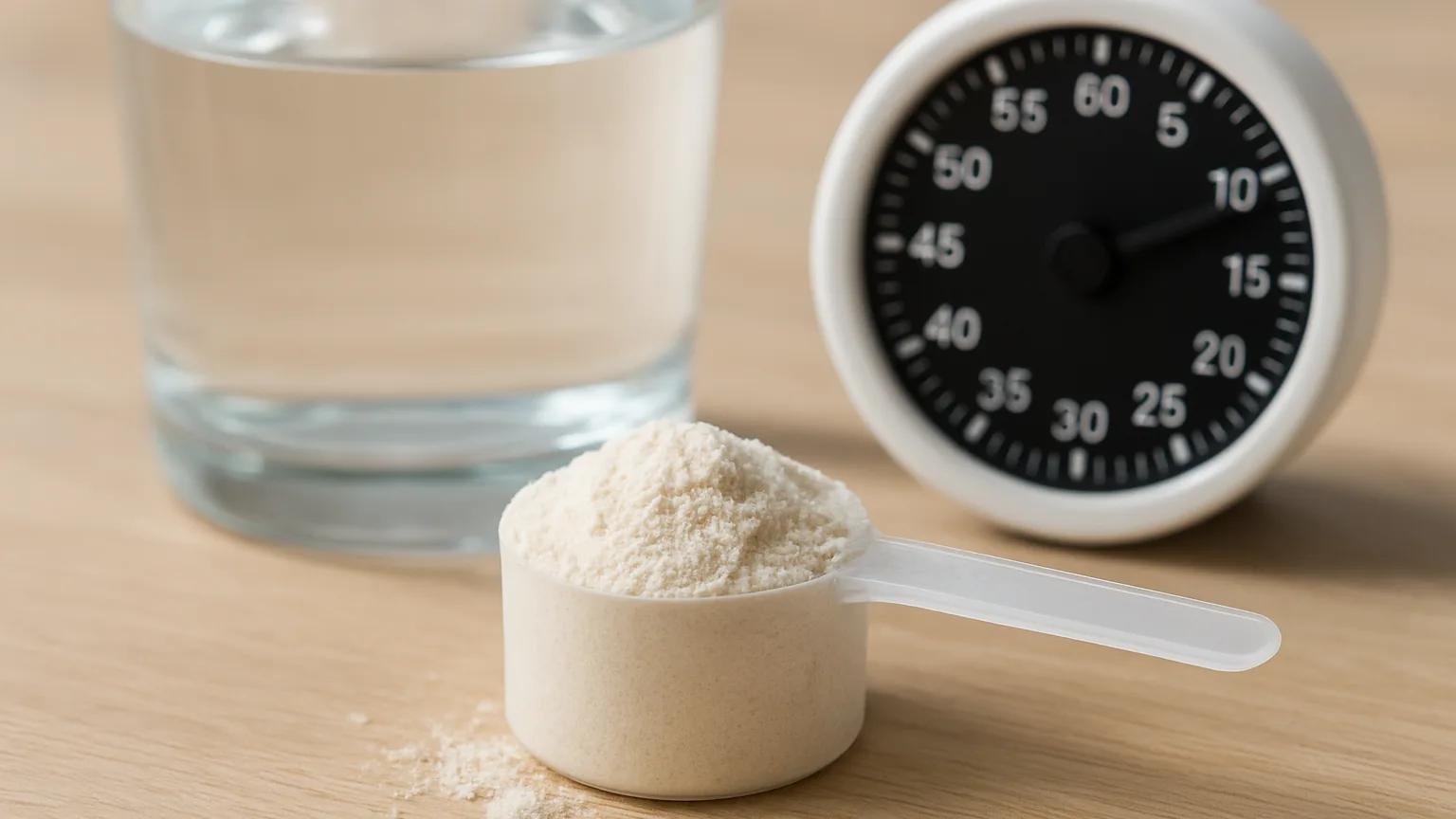
Higher up the system, protein and low water can set the stage for stones, as shown in the look at protein and kidney stones. The last stop is the bladder. It is the storage tank at the end of the line, and it reacts to your pre-workout faster than any other part.
Much of the bladder thinking behind this look at supplements was shaped by Arizona Bladder, a urology practice whose work with urgency and overactive bladder helped us explain what caffeine does once it reaches the tank.
Most lifters know the pattern. You take a scoop 20 minutes before training. By your second warm-up set, you feel a sharp need to go. You go. Ten minutes later you need to go again, but very little comes out. That is not just "a lot of water." That is urgency, and it tends to stick around, so whether that scoop stays in your routine should rest on the full urinary cost of your stack.
Why Caffeine Hits the Bladder Twice
Caffeine works on your urinary system in two ways at once. Then many formulas pile on a third problem.
- It makes more urine. Caffeine is a mild diuretic. At higher doses, the kidneys send more fluid down to the bladder.
- It irritates the bladder wall. Caffeine can make the bladder muscle twitchy, so it squeezes before it is full.
- The extras add up. Many blends stack caffeine with other stimulants, artificial sweeteners, and citric acid. These are common bladder irritants too.
A typical scoop holds 200 to 400 mg of caffeine. Add a morning coffee and an afternoon energy drink, and you can pass 600 mg before dinner. Your bladder notices every milligram.
How Rushing to Go Rewires the Signal
Here is the part most people miss. Your bladder learns. Each time you rush to the restroom at the first small twinge, your brain files a note: a small signal means empty now. Do that every training day for a few months, and the bar drops. A bladder that once held a full load calmly now sounds the alarm at half that.
That is why the title rings true. The problem is not one bad session. It is hundreds of tiny lessons that teach your body to panic early. The longer you obey every urge without changing the cause, the deeper the habit gets, and the more work it takes to undo.
Runners feel this most. Bouncing on a full or twitchy bladder makes every mile feel urgent, and anyone working to become a better runner knows how fast a planned route turns into a hunt for restrooms.
Signs It Has Moved Past the Gym
Watch for these clues. They suggest the habit is no longer tied to your scoop and may be turning into chronic overactive bladder:
- Urgency on rest days, when you took no pre-workout
- Going more than eight times in a day
- Waking up more than once a night to pee
- Small amounts each trip, even when the urge felt strong
- Leaks during jumps, sprints, or heavy lifts
If these show up often, the pattern may be shifting toward overactive bladder, and a urologist can walk you through overactive bladder treatment options that go beyond cutting caffeine. Burning, blood in the urine, or fever is different. Those need a doctor soon, not a supplement swap.
A Four-Week Reset for Your Scoop
You do not have to quit pre-workout cold turkey. Small, steady changes work better and are easier to keep.
Week 1: Cut the Dose in Half
Take a half scoop. Many people find they barely miss the extra buzz. Count all your caffeine for the day, including coffee and soda, and try to stay under about 400 mg total.
Week 2: Move the Timing
Take your scoop 45 to 60 minutes before training instead of right before. That gives you time to empty your bladder once, calmly, before you start. Sip water through your session instead of chugging a big shaker in one go.
If the scoop is mostly there to get you off the couch, other tricks can help. Some of the ideas for when you are not motivated to workout can take the place of a stimulant jolt.
Week 3: Read the Label and Switch
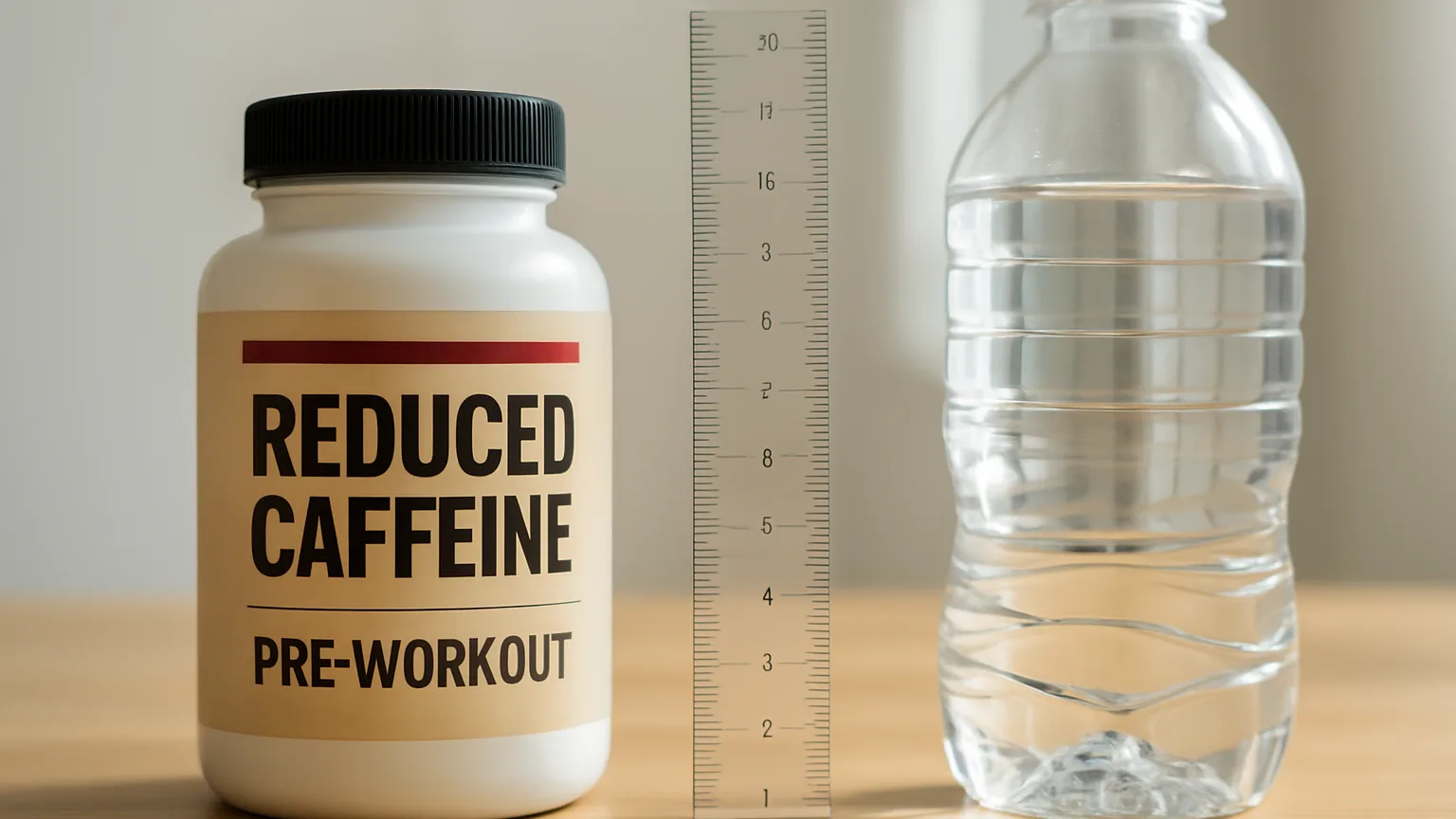
Look for a low-caffeine or stim-free formula. Skip blends heavy on sweeteners and acids. Many tubs also include creatine, which can shift a blood test for unrelated reasons, as covered in creatine and lab results.
Week 4: Retrain the Urge
This step draws on the kind of bladder retraining urology teams like Arizona Bladder often suggest. When an urge hits, pause. Stand still, take slow breaths, and squeeze your pelvic floor a few times. Wait five minutes before you go. Stretch that wait a little each week.
A strong pelvic floor makes holding easier. Glute work helps here, and bridges are more beneficial than most lifters assume for building that support.
From Filter to Floor: Fueling Without the Fallout
Your supplement stack travels the whole urinary tract. Creatine can bump a kidney lab number without causing harm. Heavy protein with too little water can raise stone risk, especially in the heat. And caffeine-loaded pre-workouts can teach your bladder to sound false alarms that grow louder each month you let them run.
The good news is that each problem has a simple first move. Know your numbers, drink enough water, and treat caffeine as a dose rather than a habit. Trim the scoop, shift the timing, choose a cleaner formula, and retrain the urge. Your workouts will feel better when your focus stays on the bar instead of the restroom door.


.svg)
.svg)