Taking Creatine? Read This Before Your Next Blood Test Flags Your Kidneys
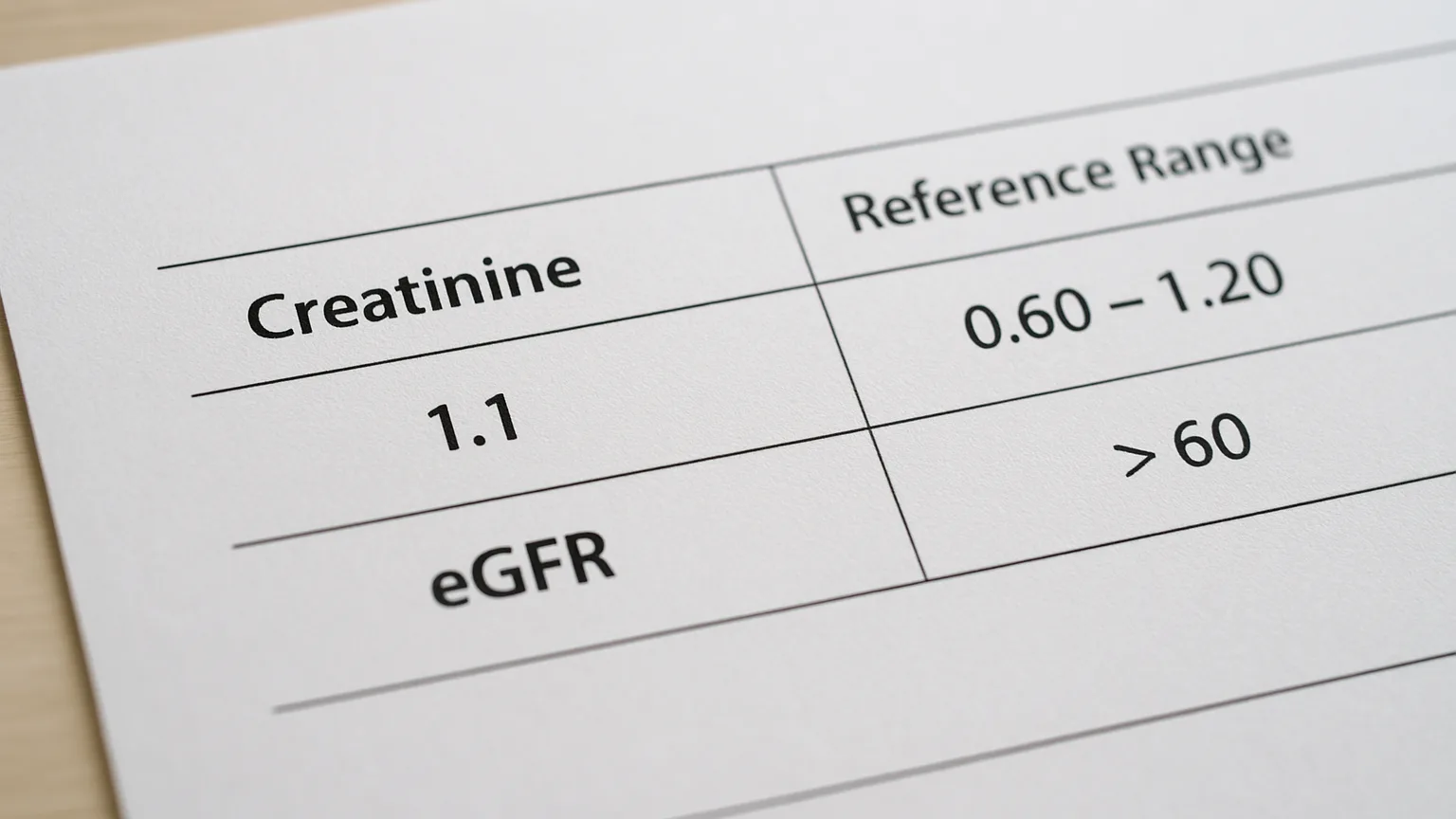
You feel great. Your lifts are up. Then your doctor calls about your blood work and says one word that ruins your day: kidneys. If you take creatine, that call may simply mean your supplement is showing up on paper, but it pays to know your stack's real toll on kidneys before the phone ever rings.
This guide was shaped with insight from the urology team at Arizona Bladder, whose work on the full urinary tract helped us look at gym supplements from the kidney's point of view. The goal is simple. Know what your labs are saying before you panic, and before you brush off a real warning.
Creatine and Creatinine Are Not the Same Thing
Creatine is the fuel your muscles use for short, hard bursts. Creatinine is the waste left over, which your kidneys filter out of your blood. Doctors check creatinine because it is a cheap, fast way to estimate your eGFR, or estimated glomerular filtration rate. Higher creatinine usually means a lower eGFR, which can look like weaker kidneys.
Here is the catch. More creatine in means more creatinine out. Your kidneys may be working just fine, but the test only sees a bigger pile of waste. Lots of supplement fears work this way, much like the half-truths found when busting the myths behind six popular diets.
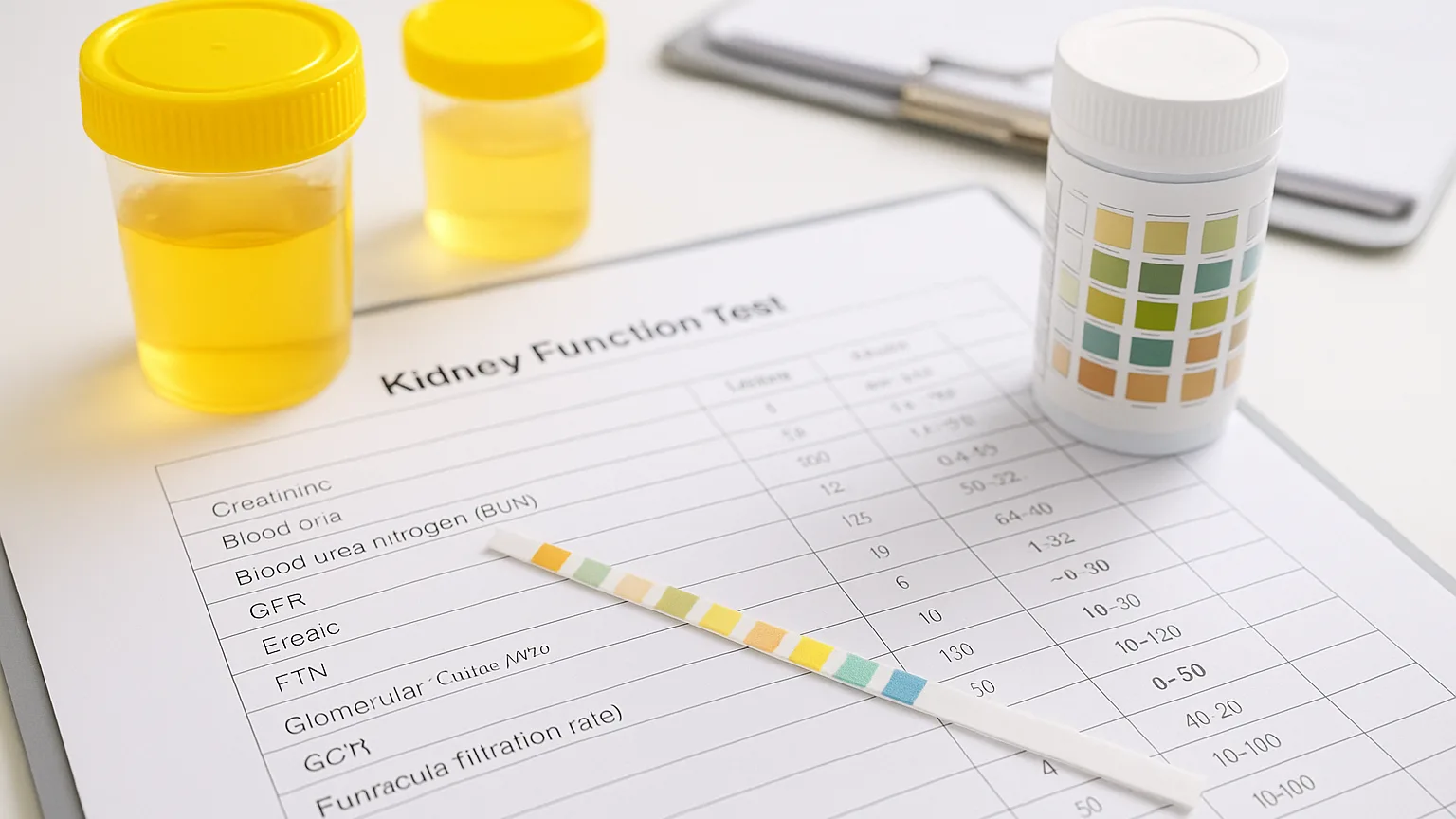
Research on healthy adults taking normal doses, about 3 to 5 grams a day, has not shown that creatine damages kidneys. But "healthy adults" is doing a lot of work in that sentence, and a high number can still be real.
Things That Raise Creatinine Without Harming Your Kidneys
- Creatine use: More fuel in your muscles means more waste in your blood.
- Big muscle mass: Muscular people make more creatinine daily, even without supplements, whether that muscle comes from heavy barbells or from adding daily push-ups.
- A hard workout before the test: Heavy lifting or long runs in the past day or two can push the number up.
- A large meat meal: Cooked meat adds creatinine to your blood for several hours.
- Not drinking enough water: Dehydration concentrates your blood.
Signs the Number Might Be Real
A slightly high reading on its own is often just noise. These signs deserve a closer look:
- Your creatinine keeps climbing on repeat tests, even after you pause creatine.
- Your urine test shows protein or blood.
- You have swelling in your ankles, feet, or face.
- You are peeing much less than usual, or your urine looks foamy or dark.
- You also have high blood pressure or high blood sugar.
"The lab value is a clue, not a verdict. We want to know what else is going on, from blood pressure to what shows up in the urine, before anyone decides the kidneys are in trouble," says Dr. Elena Marquez, a urology specialist with Arizona Bladder.
Ask for a Second Test
If your creatinine looks off, ask your doctor about a cystatin C test. It is another marker of kidney filtering, and muscle and creatine barely affect it. If cystatin C looks normal, your bump is likely coming from your gym habits, not your kidneys.
Also know exactly what is in your scoop. Some blends add herbs, stimulants, or extras not on the front label. The same habits from a nanogreens buying checklist apply to any powder you take daily.
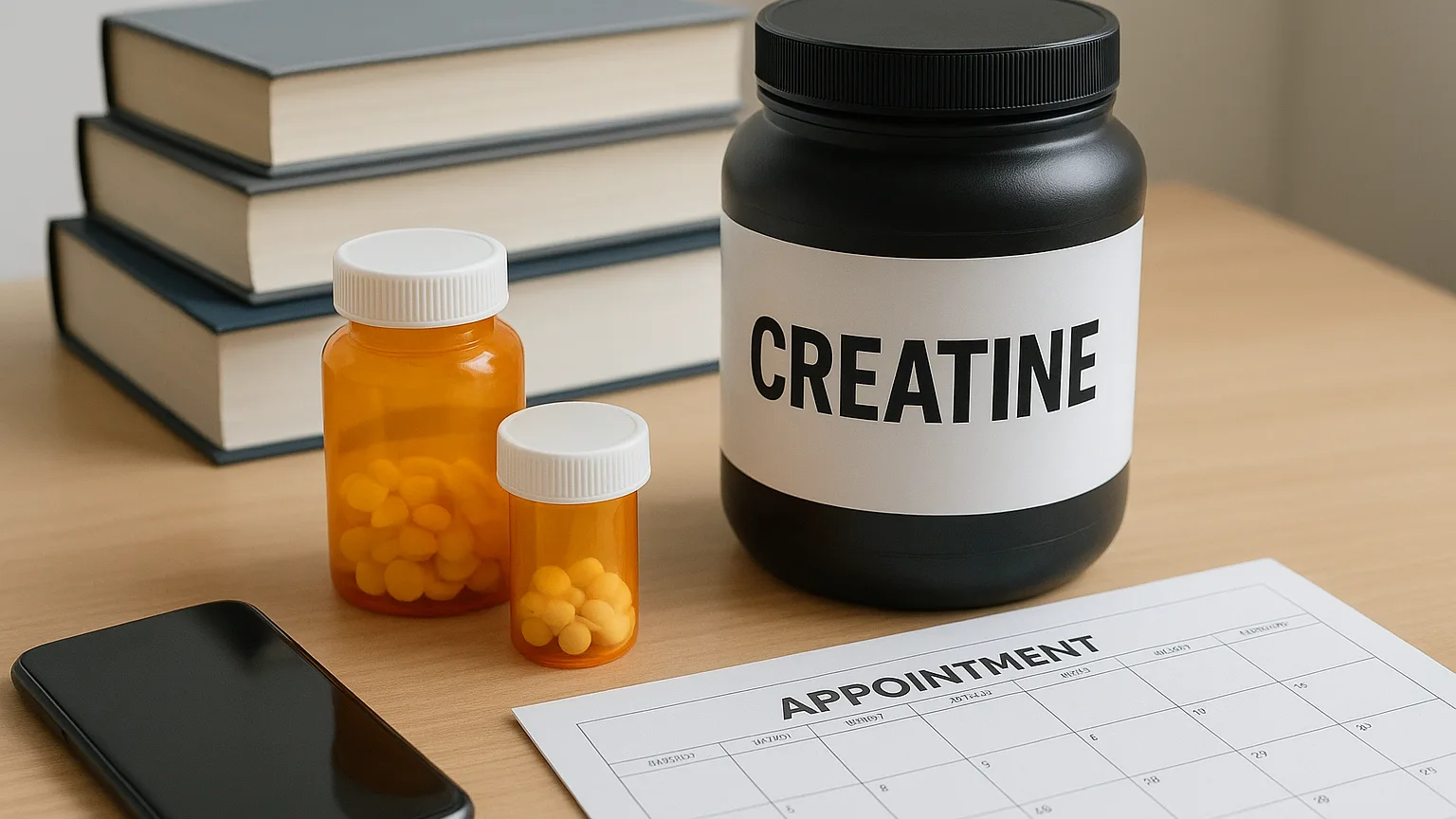
Creatine is one of the most studied supplements out there, but it is not right for everyone. Talk with your doctor before you start, or before you keep going, if any of these fit you:
- You have kidney disease or a past kidney injury.
- You have diabetes or high blood pressure.
- You have had kidney stones before.
- You take medicines that affect the kidneys, such as daily NSAIDs like ibuprofen, some blood pressure pills, or water pills.
- You are pregnant, nursing, or under 18.
- You take far more than the standard dose.
As the urology team at Arizona Bladder stresses, kidneys already under stress have less room for error, so small changes matter more.
Your Simple Pre-Blood-Test Game Plan
A few small steps make your next result much easier to read. None require quitting creatine for good.
One to Two Weeks Before
Ask your doctor if you should pause creatine so the reading shows your true baseline. Write down your dose and how long you have taken it.
Two Days Before
Swap your hardest sessions for a walk or light mobility work. This is planned rest, not a lost week. If breaks knock you off track, a few ways to stick with your plan can help you bounce right back.
The Day Before and Day Of
Drink water like normal and skip the huge steak dinner. At the lab, tell the staff and your doctor that you take creatine. That one sentence can save you a lot of worry.
Where the Kidney Story Goes Next
Protein powder often sits right beside creatine, and heavy protein plus low water on long, sweaty training days can set the stage for kidney stones. That is why it pays to start lowering stone risk early before hot weather turns mild dehydration into a bigger problem. And if your pre-workout drink keeps sending you to the bathroom, learn how to handle pre-workout bladder urgency before it becomes a hard habit to undo.
Read the Label on Your Labs, Not Just Your Tub
A high creatinine number does not automatically mean creatine is hurting your kidneys. Creatine, big muscles, hard training, meat, and low water can all push it up while your kidneys stay healthy. Watch instead for rising numbers on repeat tests, protein or blood in the urine, swelling, changes in how you pee, and conditions like diabetes or high blood pressure. A cystatin C test can help sort a false alarm from a true problem.
If you fall into a high-risk group, talk to your doctor before you keep scooping. Everyone else can make the next test clearer: share your creatine use, ease off hard training for a couple of days, skip the big meat meal, and stay hydrated. Your kidneys do quiet, steady work. Give them a fair reading.


.svg)
.svg)